
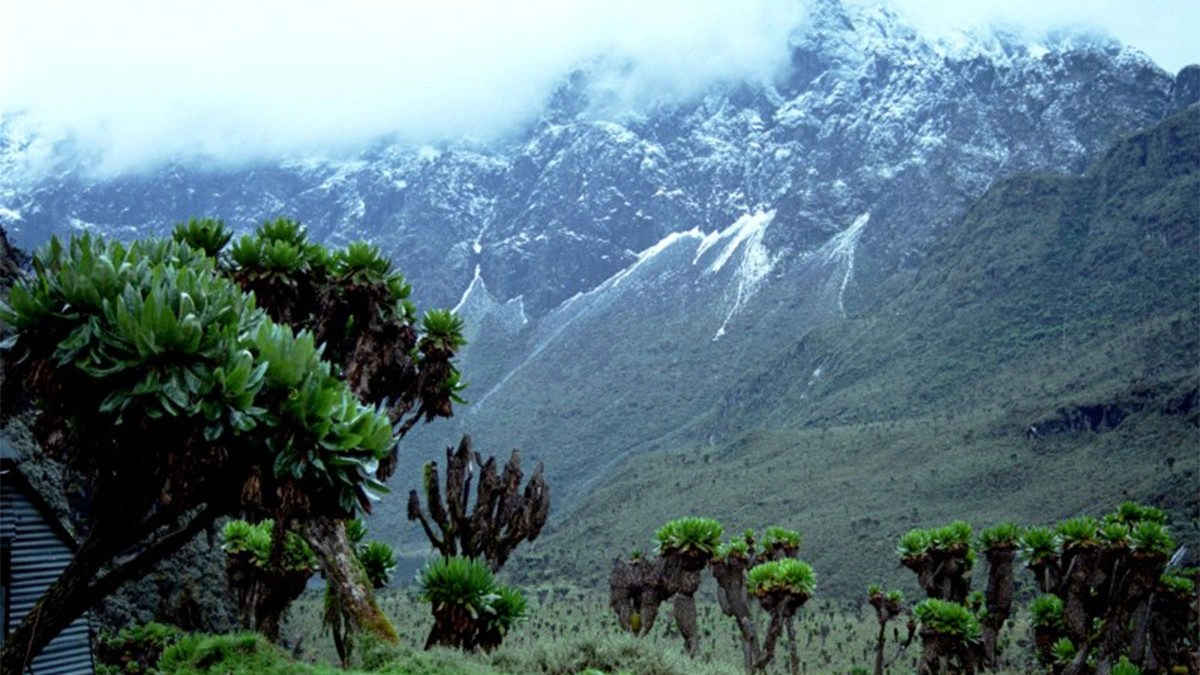
Few destinations on earth carry the weight of legend quite like the Rwenzori Mountains. Rising dramatically along Uganda's western border with the Democratic Republic of Congo, these ancient peaks were dubbed the "Mountains of the Moon" by the Greek geographer Ptolemy over 2,000 years ago — and one glance at their mist-wrapped summits tells you exactly why. For hikers and adventure seekers, the Rwenzoris offer one of Africa's most extraordinary trekking experiences: a raw, otherworldly journey through Afromontane forests, giant heather, and glaciated peaks that will test your body and reward your spirit.
Why the Rwenzori Mountains Are Unlike Anywhere Else in Africa
While Kilimanjaro draws the crowds and the Virunga Volcanoes steal the gorilla-trekking headlines, the Rwenzori Mountains remain gloriously, stubbornly off the beaten path. This is both their challenge and their greatest gift.
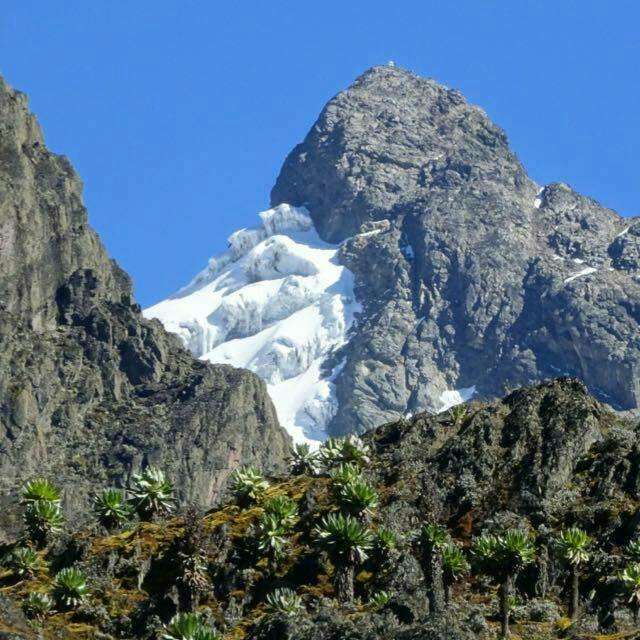
Straddling the equator at altitudes reaching 5,109 metres (16,762 feet) at Margherita Peak — the third-highest point on the African continent — the Rwenzoris are not volcanic like most of East Africa's iconic mountains. They are a block mountain range, ancient and heavily glaciated, sculpted over millions of years into a landscape that feels closer to science fiction than East Africa.
What makes hiking here truly unique is the vegetation. As you ascend through the different ecological zones, the scenery shifts in ways that feel almost hallucinatory. Giant lobelias tower overhead like something from a prehistoric era. Groundsels the size of trees drip with Spanish moss. Heather forests glow silver and gold in the morning light. It is, by any measure, one of the most visually striking natural environments on the planet.
Planning Your Rwenzori Trek: What You Need to Know
When to Go
The Rwenzori Mountains receive rain throughout the year — this is, after all, one of the wettest places in Africa. That said, the drier seasons between June and August and December to February offer the most manageable trekking conditions. Even during these windows, prepare for rain, mud, and clouds. The Rwenzoris demand respect regardless of the season.
Trekking Routes
The most popular route is the Central Circuit Trail, a multi-day trek that loops through the heart of the range and gives hikers access to the highest peaks. The full circuit typically takes 7 to 8 days, passing through six ecological zones and several mountain huts maintained by the Rwenzori Mountaineering Services (RMS).
For those with serious mountaineering ambitions, reaching Margherita Peak requires basic glacier travel skills, crampons, and an ice axe. Most trekking companies and guides in Kasese can arrange the necessary equipment and training briefings.
A shorter option, the Kilembe Trail, is gaining popularity as an alternative entry point from the south. It is considered more scenic in its lower sections and slightly less muddy than the northern Nyakalengija route.
Fitness and Experience Level
The Rwenzori trek is rated strenuous to very strenuous. You do not need to be a professional mountaineer to complete the Central Circuit, but you must be physically fit, comfortable hiking for 6–8 hours daily, and mentally prepared for cold, wet, and altitude. Acclimatisation is essential — do not rush the ascent.
Guided Treks and Permits
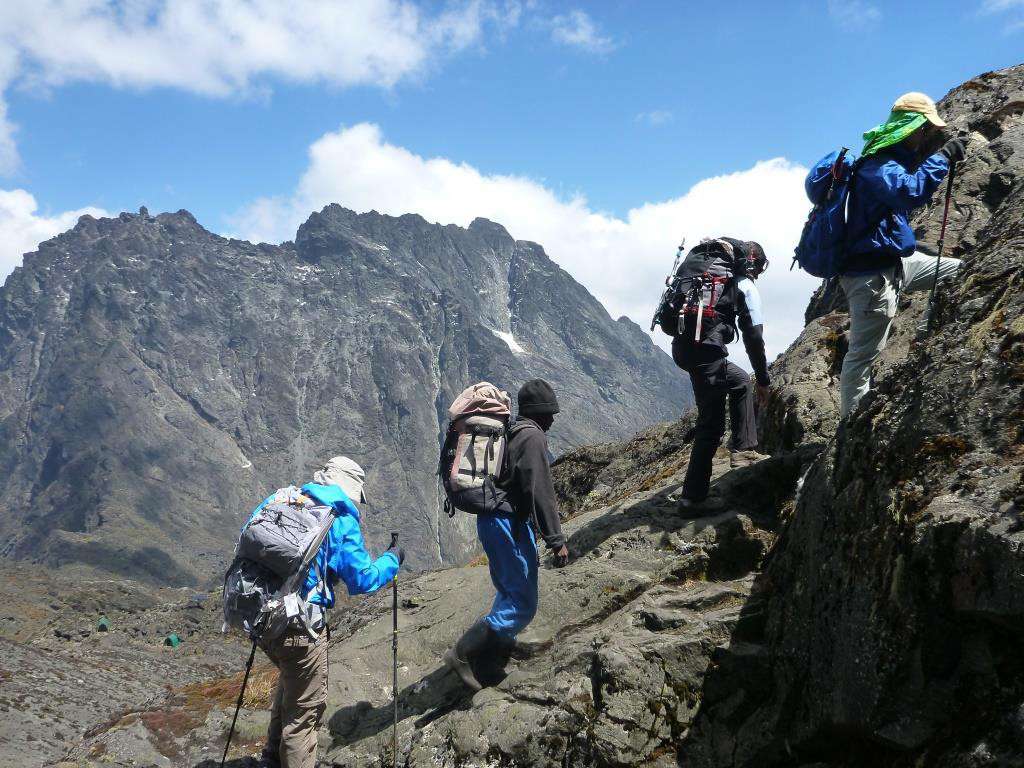
All trekking in the Rwenzori Mountains National Park must be done with a registered guide. This is both a legal requirement and a genuine safety measure — the terrain is challenging and the weather unpredictable. Permits and guided packages are available through Rwenzori Mountaineering Services in Kasese town, the gateway to the park. Budget for park entry fees, guide fees, porter fees, and hut accommodation along the route.
What to Pack for the Rwenzori Mountains
Packing correctly can make or break your Rwenzori experience. The mountains are notoriously wet, so waterproofing everything is non-negotiable.
- Waterproof hiking boots — well broken in before the trek
- Gaiters — essential for the notorious mud sections
- Layered clothing — temperatures range from warm at the base to near-freezing at altitude
- Quality rain gear — a good waterproof jacket and trousers, not just a poncho
- Sleeping bag rated to at least -5°C
- Trekking poles — invaluable on steep, slippery sections
- Dry bags or waterproof pack liners — protect everything inside your rucksack
The Cultural Side of the Rwenzoris
The Rwenzori Mountains are home to the Bakonzo people, Uganda's mountain community whose ancestors have lived alongside these peaks for centuries. The Bakonzo serve as the guides and porters who make Rwenzori trekking possible, and engaging with them is one of the most enriching parts of any trek. Many trekking operators now offer cultural experiences in Kasese and surrounding villages — including traditional music, local food, and storytelling — that add enormous depth to the overall journey.
Getting to the Rwenzori Mountains
The nearest town is Kasese, located in western Uganda. From Kampala, Kasese is approximately 6 hours by road. Several daily bus services operate on this route, or you can hire a private vehicle for greater flexibility. Domestic flights to Kasese Airstrip are also available, cutting travel time significantly.
From Kasese, the park headquarters at Nyakalengija is about 22 kilometres — easily reached by boda boda or private hire.
Final Thoughts: Is Hiking the Rwenzori Worth It?
Without question, yes.
The Rwenzori Mountains are not an easy adventure. They will push you through mud and rain, test your lungs at altitude, and humble you with their sheer, ancient scale. But they will also show you landscapes that exist nowhere else on earth, introduce you to some of Uganda's warmest and most resilient communities, and leave you with the kind of deep, bone-level satisfaction that only comes from doing something genuinely hard.
Africa's Mountains of the Moon are waiting. Are you ready to answer the call?
Plan your Rwenzori trekking adventure with Uganda Tourist Guide contact us info@ugandatouristguide.com or call +256392911059/ what's app +18182906623.