
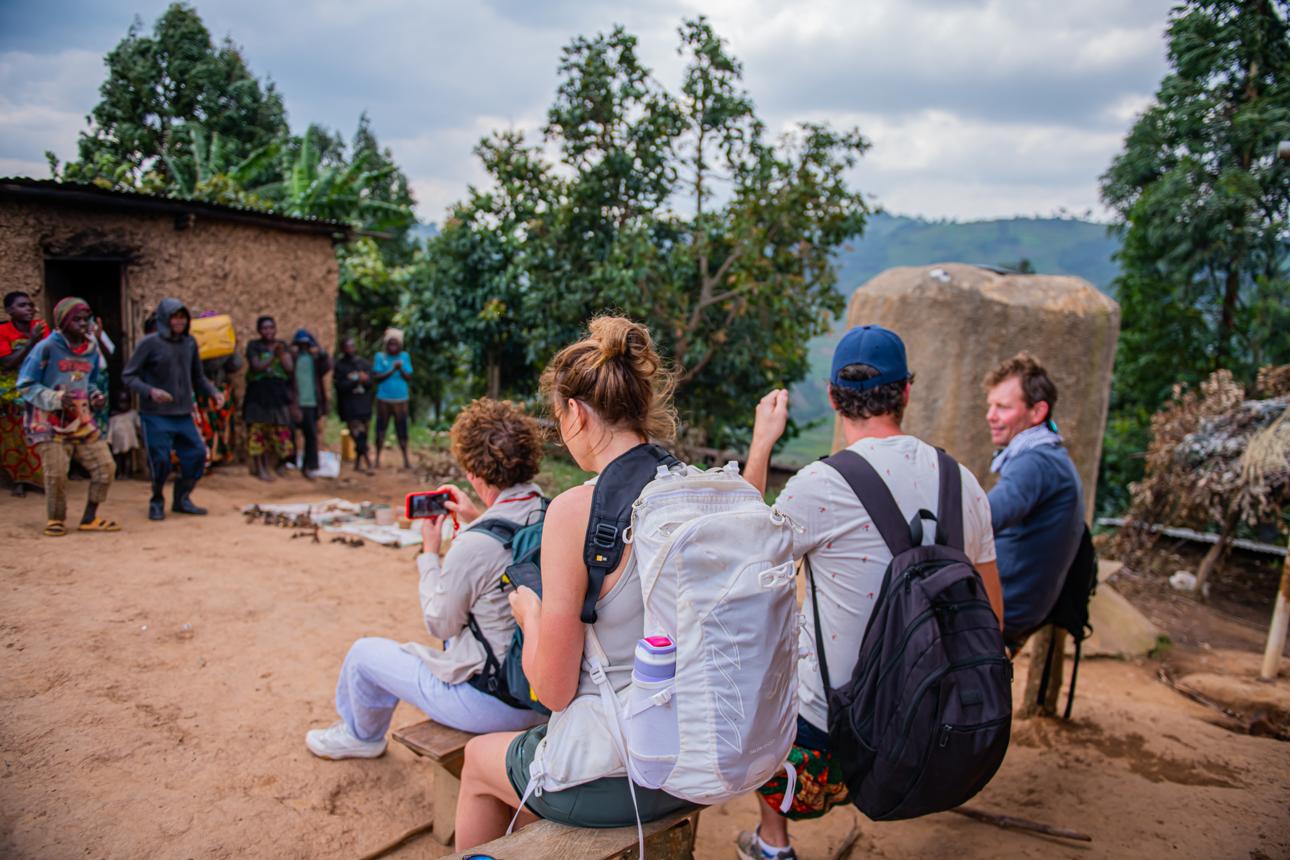
Every solo traveler eventually asks the same question before booking a trip to East Africa: Is it actually safe? For Uganda, the honest answer is — yes, more than most people expect. But "safe" is never unconditional, and Uganda deserves a more nuanced conversation than a simple thumbs up or thumbs down.
This guide cuts through the fear and the hype. Whether you're a first-time solo traveler eyeing a gorilla trek or a seasoned backpacker considering adding Uganda to a longer East Africa loop, here's a grounded, practical look at what you're actually getting into.
The Big Picture: Uganda's Safety Reputation vs. Reality
Uganda suffers from a perception problem in the West. Decades of international news coverage focusing on conflict in neighboring DRC, historical instability, and outdated travel advisories have left many potential visitors with a distorted picture. The reality on the ground, for the vast majority of travelers, is very different.
Uganda has been politically stable for several decades under the same government, and the tourist infrastructure — particularly around Kampala, Bwindi, Queen Elizabeth National Park, and Jinja — is well-developed and actively maintained. Tourism is a major pillar of the Ugandan economy, and the government has a strong incentive to keep visitors safe.
Petty crime exists, as it does in every country. Occasional civil unrest occurs around elections. Some border regions carry genuine risk. But millions of travelers — including solo women, older travelers, and first-timers — visit Uganda every year without incident.
The key is knowing where to go, what to avoid, and how to move through the country intelligently.
Kampala: Navigating the Capital Solo
Kampala is a dense, energetic, chaotic, and largely welcoming city. For solo travelers, it rewards confidence and basic street smarts.
Petty theft is the most common risk — pickpocketing in crowded markets like Owino, bag snatching near taxi parks, and phone grabs in busy areas. None of this is unique to Kampala; it mirrors the experience in Nairobi, Lagos, or any large African city. The mitigation is straightforward: carry minimal valuables, use a crossbody bag worn in front, keep your phone out of sight in crowds, and take licensed taxis or ride-hailing apps like Bolt rather than unmarked vehicles.
Boda bodas — the ubiquitous motorcycle taxis — are fast and cheap but carry a disproportionate share of road accident risk in Uganda. Many experienced travelers avoid them entirely after dark. If you use them during the day, always wear a helmet and agree on the price before you get on.
Certain neighborhoods require more caution at night, including areas around the taxi parks and some parts of downtown. Staying in well-reviewed guesthouses or hotels in areas like Kololo, Nakasero, or Muyenga puts you in safer, calmer surroundings. Walk with purpose, trust your instincts, and you'll be fine.
The good news: Ugandans are overwhelmingly warm, curious, and hospitable to foreign visitors. Genuine street harassment aimed at tourists is relatively uncommon compared to many destinations, and locals are generally quick to help if you're visibly lost or confused.
Is Uganda Safe for Solo Female Travelers?
This is the question that fills travel forums, and the answer deserves directness: yes, with preparation and awareness.
Solo women travel Uganda regularly and successfully. The gorilla trekking circuit in particular is well-managed, guided, and structured — you're rarely truly alone. Jinja, with its adventure tourism scene, is relaxed and traveler-friendly. Lodge stays across the national parks are secure environments.
The practical adjustments for women traveling solo in Uganda are cultural as much as they are safety-related. Dress modestly — covered shoulders and knees in non-tourist areas go a long way toward blending in and avoiding unsolicited attention. Public displays of affection are frowned upon broadly, and overtly revealing clothing draws the wrong kind of notice outside of tourist-specific spaces.
Verbal harassment — catcalling or persistent attention from men — can occur in some areas, particularly in smaller towns and markets. Firm, confident, and brief responses (or no response at all) work best. Making eye contact and walking purposefully signals confidence.
Book the first night or two of accommodation before you arrive, arrange airport pickup through your hotel, and don't travel by night bus as a solo woman if you can avoid it. Daytime transport on well-traveled routes is generally safe.
Regions to Exercise Extra Caution
Uganda is not uniformly the same risk level throughout. Some areas require heightened awareness:
The DRC Border Region: Areas close to the Democratic Republic of Congo, particularly in the far west, carry spillover risk from ongoing instability across the border. Bwindi Impenetrable national park— the gorilla trekking destination — is managed and considered safe, but always check current advisories before visiting any western border area.
Karamoja in the Northeast: This semi-arid region was historically affected by cattle rustling and armed conflict between pastoral communities. The situation has improved significantly, but it remains one of Uganda's less-visited and less-predictable regions. Travel here with a reputable guide.
Kidepo Valley National Park: Worth mentioning separately — it's a stunning and remote park that many experienced Uganda travelers consider unmissable. It requires either a long overland drive through the north or a charter flight. It is safe to visit but requires more planning than more accessible parks.
Political Gatherings and Protests: Like many countries, Uganda can see localized unrest around elections or political events. Avoid large gatherings, political demonstrations, and anything that looks like it's turning into a crowd with tension. Monitor local news during election periods.
Health: The Safety Risk Most Travelers Underestimate
In Uganda, your greatest safety risk is not crime — it's health.
Malaria is present throughout most of Uganda, including Kampala. Start antimalarial medication before you arrive, use DEET-based repellent religiously at dusk and dawn, and sleep under a mosquito net where one is provided. This is not optional.
Yellow fever vaccination is legally required for entry into Uganda and is checked at the border. Carry your yellow card. Other recommended vaccinations include typhoid, hepatitis A and B, and rabies (particularly relevant if you'll be spending time in rural areas or near animals).
Food and water safety follows standard travel rules. Drink bottled or filtered water, avoid ice in local establishments, and be cautious with street food until your stomach has adjusted. That said, Uganda's food scene — rolex (egg and vegetable chapati rolls), matoke, groundnut stew — is worth diving into at clean, busy local spots.
Comprehensive travel insurance with medical evacuation cover is essential. Make sure your policy covers adventure activities if you're planning gorilla trekking, white-water rafting on the Nile, or mountain hiking.
Transport Safety for Solo Travelers
Getting around Uganda as a solo traveler involves choices between comfort, speed, and cost.
Private transfers booked through lodges or reputable operators are the safest option, particularly for long distances. They cost more but eliminate the stress of navigating shared transport as a solo foreigner.
Shared minibus taxis (matatus) are cheap and give you an authentic local experience, but they are often overloaded, driven fast, and stop unpredictably. If you use them, travel during daylight hours only and keep your bag with you.
Bolt and SafeBoda (the app-based boda boda service) are significantly safer than hailing unknown drivers and are widely available in Kampala. Always confirm the driver's name and photo match before getting in.
Night travel by road carries real risk in Uganda due to poor road conditions, livestock on roads, and less reliable driving standards after dark. If you can avoid it, do.
Practical Safety Tips for Solo Uganda Travel
- Share your itinerary with someone at home and check in regularly.
- Register with your country's embassy in Kampala if staying more than a week.
- Carry a photocopy of your passport and keep the original locked in your accommodation safe.
- Buy a local SIM card on arrival (MTN or Airtel Uganda) — affordable data and the ability to call for help is invaluable.
- Learn a few words of Luganda — webale (thank you), oli otya (how are you). Locals visibly appreciate the effort.
- Trust your instincts. If a situation or person feels off, remove yourself calmly and without confrontation.
- Book gorilla permits in advance through the Uganda Wildlife Authority — permits are limited, sell out, and can't be left to chance.
The Bottom Line
Uganda is safe for solo travelers who prepare well and travel thoughtfully. It is not a destination that requires paranoia — but it does reward awareness, planning, and cultural sensitivity.
The experiences waiting here — sitting ten feet from a mountain gorilla family in Bwindi, watching the sunset over the Kazinga Channel, rafting grade-five rapids on the Nile at Jinja, feeling the spray of Murchison Falls — are the kind that stay with a person for life.
Don't let an outdated travel advisory or secondhand fear make the decision for you. Do your research, get your vaccinations, buy your insurance, and go. The Pearl of Africa is ready for you.
Uganda is safe for any traveler at any time in any place would you like to visit Uganda? Uganda Tourist Guide is ready to make you tour the all of Uganda at your time of convenience. Contact us info@ugandatouristguide.com or call us +256392911059/+18182906623.