
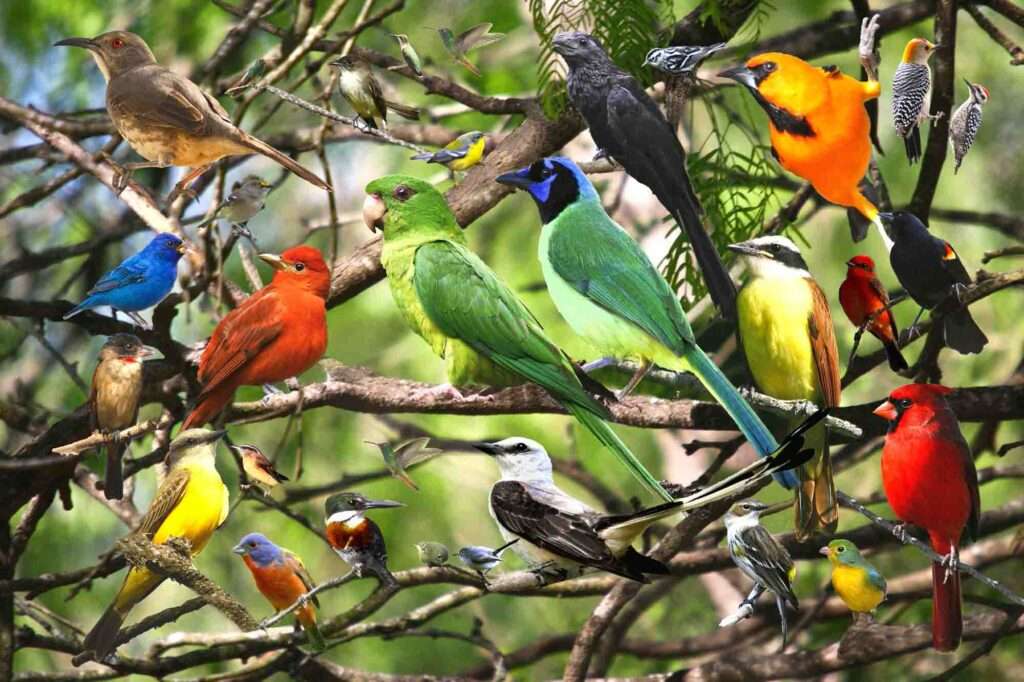
Uganda is one of Africa's best-kept secrets for birders. Uganda is home to over 1,060 recorded bird species, representing roughly 50% of all bird species found in Africa and more than 10% of the world's total. Packed into a country roughly the size of the United Kingdom, this staggering diversity makes Uganda a top-tier birding destination that punches well above its weight.
Whether you are a casual birdwatcher carrying binoculars for the first time or a dedicated lister chasing rare endemics, Uganda delivers extraordinary encounters in virtually every ecosystem you step into makes your birding safari a memorial experience that will stay in your lifetime.
Why Uganda Is a Birding Paradise
The secret behind Uganda's incredible avian richness lies in its geography. The country sits at the convergence of several distinct ecological zones: the vast Congo Basin rainforests push in from the west, the East African savannah stretches to the east, the Albertine Rift Valley runs along the western border, and montane forests cap the highlands. This overlap of habitats creates an unmatched patchwork of ecosystems, each harboring unique and specialized bird communities.
Uganda also straddles the equator, enjoying year-round warmth and two wet seasons that keep the forests lush and the wetlands full. Migratory species from Europe and northern Africa arrive between October and April, swelling the species count even further during those months and offering birders the chance to spot Palearctic migrants alongside resident tropical species.
The Shoebill: Uganda's Most Iconic Bird
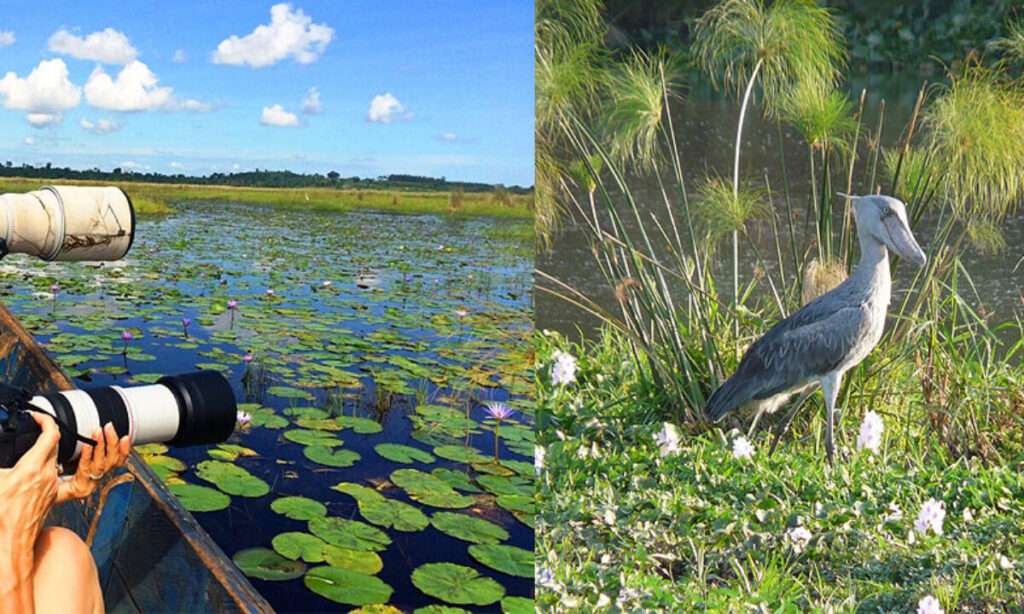
No birding guide to Uganda would be complete without mentioning the Shoebill Stork. This prehistoric-looking giant stands nearly 1.5 meters tall, with a massive shoe-shaped bill that makes it instantly recognizable. It is one of the most sought-after birds in the world, and Uganda is one of the best places on Earth to see it.
Mabamba Bay Wetlands, located on the northern shore of Lake Victoria about 40 kilometres from Kampala, offers the most reliable Shoebill sightings on the continent. Local guides navigate visitors through papyrus swamps by canoe, often bringing them face-to-face with this remarkable bird at close quarters. The experience is nothing short of extraordinary and is frequently described as a once-in-a-lifetime encounter.
Top Birding Destinations in Uganda
Bwindi Impenetrable National Park is best known for its mountain gorillas, but it is equally outstanding for birds. The forest harbors 23 of the 24 Albertine Rift endemics found in Uganda, including the African Green Broadbill, Grauer's Warbler, and the stunning Handsome Francolin. Over 350 species have been recorded here, making every forest walk a potential discovery.
Kibale National Park combines primate tracking with world-class birding. The park's moist montane and lowland forest supports species like the Green-breasted Pitta, Nahan's Francolin — one of Africa's most endangered forest birds — and the African Pitta. Dawn chorus walks here are a sensory overload in the best possible way.
Queen Elizabeth National Park offers a completely different birding landscape. Open savannah, crater lakes, and riverine forest combine to host over 600 species — the highest count of any protected area in Uganda. The Kazinga Channel boat cruise is an exceptional way to observe African Skimmer, Pink-backed Pelican, and various kingfisher species at close range.
Murchison Falls National Park delivers savannah and riverside birding along the Victoria Nile. Abyssinian Ground Hornbill, Goliath Heron, and the rarely seen Denham's Bustard are among the highlights. The boat trip to the base of Murchison Falls is especially productive for waterbirds and raptors.
Semuliki National Park, tucked into the lowland forest of the Albertine Rift, gives Ugandan birders access to true Congo Basin species. Birds like the Congo Bay Owl, Nkulengu Rail, and Lyre-tailed Honeyguide are found here and virtually nowhere else in East Africa. This park rewards patient, experienced birders richly.
Birding the Rwenzori Mountains
For those willing to hike, the Rwenzori Mountains offer a dramatic vertical birding transect. As you ascend through bamboo zone, heath, and afroalpine moorland, entirely different bird communities emerge at each elevation. The Rwenzori Turaco, Rwenzori Batis, and Strange Weaver are among the montane specialities that make the effort worthwhile.
Best Time to Visit for Birding
Uganda's birding is rewarding all year, but the dry seasons — June to August and December to February — are generally preferred for forest trails and reliable wildlife viewing. The months of October through April are best for migratory species, when Yellow Wagtails, European Rollers, and various warblers and flycatchers join the resident population.
Planning Your Uganda Birding Safari
Most serious birders combine two or three sites into a 7 to 14-day itinerary. A classic route might include Mabamba Bay for the Shoebill, Kibale for forest species, Queen Elizabeth for open-country and water birds, and Bwindi for the Albertine Rift endemics. Specialist birding guides are widely available and make a significant difference — their ability to locate and identify species by call alone is invaluable in dense forest habitats.
Uganda's birding is best experienced slowly and quietly. Rise early, move gently, and let the forest come to you.
With over 1,060 species waiting to be discovered, Uganda offers a birding experience that rivals — and often surpasses — any other destination in Africa. The birds are here. All you need to do is show up. Book your birding trip today on info@ugandatouristguide.com or call us +256392911059/ what's app us +18182906623