
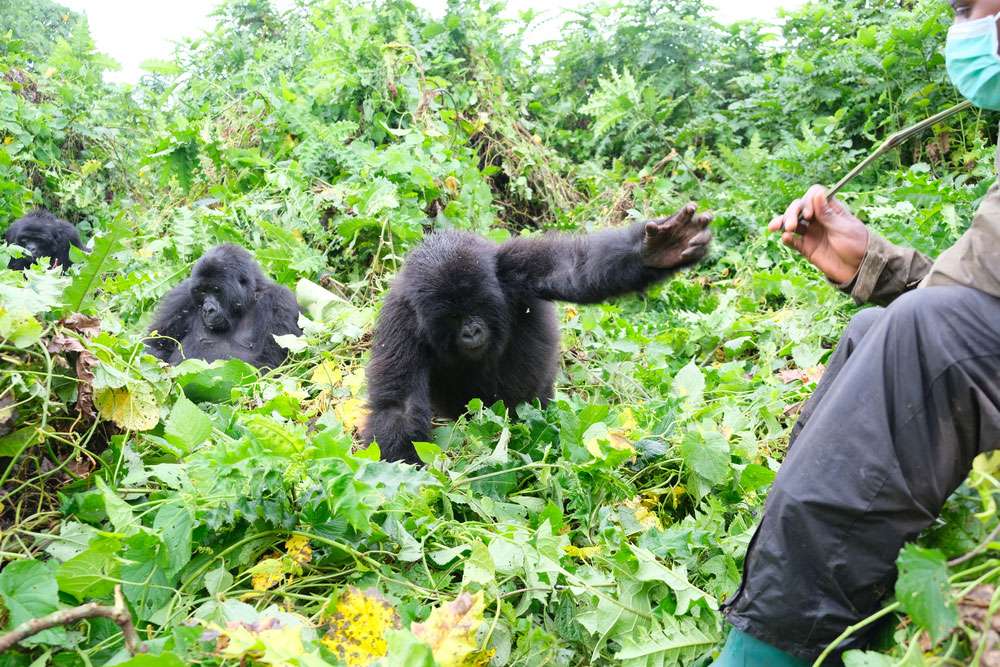
If gorilla trekking is on your bucket list, you're likely weighing up two destinations: Uganda and Rwanda. Both countries are home to the endangered mountain gorilla — one of the most awe-inspiring wildlife encounters on Earth — but they offer very different experiences in terms of cost, Gorilla trekking conditions, scenery and overall value.
So which country should you choose? This guide breaks down everything you need to know before you book.
The Gorillas: What You're Actually Seeing
Both Uganda and Rwanda protect habituated mountain gorilla families within lush, ancient forests. Uganda is home to roughly half the world's entire mountain gorilla population, with gorilla families spread across Bwindi Impenetrable National Park and Mgahinga Gorilla National Park. Rwanda protects its gorillas in Volcanoes National Park in the Virunga mountain range.
The gorillas themselves are equally magnificent in both countries. Up-close encounters — watching silverbacks, mothers, and playful juveniles go about their daily lives — are equally moving on both sides of the border. The real differences lie in everything surrounding that moment.
Permit Costs: Uganda Wins on Value
This is often the first deciding factor for travellers, and the difference is significant.
- Uganda gorilla trekking permit: USD $800 per person
- Rwanda gorilla trekking permit: USD $1,500 per person
Rwanda's permit costs nearly twice as much. Both permits include one hour with a gorilla family, a park entrance fee and ranger guides. For families, couples or budget-conscious travelers. Uganda delivers the same core wildlife experience at a considerably lower cost — and that saving can fund an entire extra safari day. Book Uganda gorilla safari and the Gorilla permit today through the Licensed company like Cycads African Safaris and hustle less for trip.
Rwanda positions its premium pricing as part of a luxury conservation model, which does translate into well-maintained infrastructure and streamlined logistics — but for most travellers, Uganda's value proposition is hard to ignore.
The Trekking Experience: Challenge vs. Comfort
Trekking conditions differ meaningfully between the two countries.
Bwindi Impenetrable Forest in Uganda lives up to its name. The terrain is steep, dense, and rugged — trails wind through thick equatorial jungle, across stream crossings, and up hillsides that will test your fitness. Treks can last anywhere from one to eight hours depending on where the gorillas have moved. This is a raw, immersive wilderness experience. It's challenging, but the forest itself is spectacular.
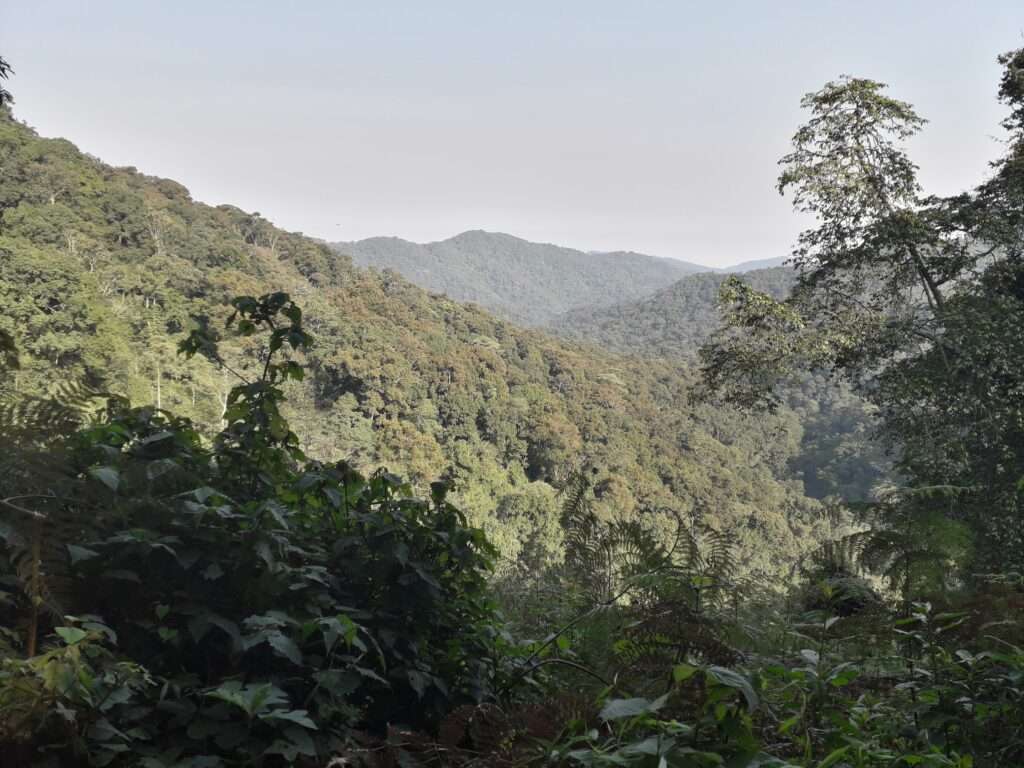
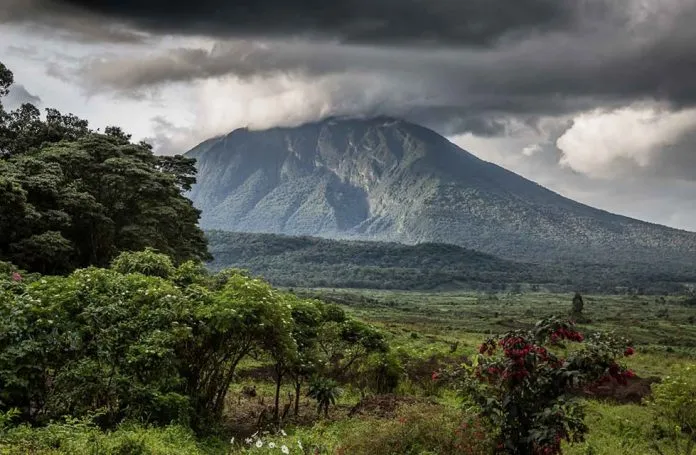
Volcanoes National Park in Rwanda offers relatively more accessible trekking, with open bamboo forests and well-maintained paths on the Virunga volcano slopes. Treks are generally shorter and more predictable. Porters are available in both countries and strongly recommended.
If you're after a more challenging, deeper-wilderness feel, Uganda delivers. If accessibility and shorter trek times matter to you — especially for older travellers or those with mobility concerns — Rwanda has a slight edge.
Uganda's Secret Weapon: The Gorilla Habituation Experience
Uganda offers something Rwanda simply cannot — the gorilla habituation experience in Bwindi's Rushaga sector. This is an extended, four-hour visit with a gorilla family that is still being habituated to human presence, accompanied by researchers and rangers.
At USD $1,500 per permit, this experience matches Rwanda's standard permit price but gives you four times as long with the gorillas — and a far more intimate, behind-the-scenes encounter. For serious wildlife enthusiasts, it's one of the most remarkable experiences in all of Africa.
What Else Can You See? Uganda Pulls Ahead
One of Uganda's strongest arguments over Rwanda is the sheer diversity of wildlife experiences available when you extend your trip.
Uganda is home to:
- Chimpanzee trekking in Kibale National Park — the world's best
- The Big Five in Queen Elizabeth National Park and Murchison Falls
- Shoebill stork sightings — a prized birding encounter
- Murchison Falls — one of the most powerful waterfalls on the Nile
- Lake Bunyonyi — a stunning crater lake for post-safari relaxation
- Rwenzori Mountains — for serious trekkers seeking Africa's "Mountains of the Moon"
Rwanda's offerings beyond gorillas are more limited. Nyungwe Forest provides chimpanzee and colobus monkey tracking, and Akagera National Park offers a classic savannah safari — but Uganda's wildlife circuit is far richer and more varied.
If you're planning a multi-week African safari, Uganda gives you more reasons to stay longer and see more.
Accessibility and Getting There
Rwanda wins on accessibility. Kigali International Airport is a modern, well-connected hub with direct flights from several European and Middle Eastern cities. From Kigali, Volcanoes National Park is roughly a two-and-a-half hour drive — making for a smooth, efficient itinerary.
Uganda's Entebbe International Airport is less directly connected, though it serves major hubs including Dubai, Nairobi, Addis Ababa, and London. From Entebbe, Bwindi is an eight-to-nine hour drive — a full day of travel, though the scenery through southwestern Uganda is beautiful. Alternatively, short domestic flights to Kihihi or Kisoro reduce road time significantly.
If time is limited and seamless logistics are a priority, Rwanda's ease of access is a genuine advantage.
Accommodation Options
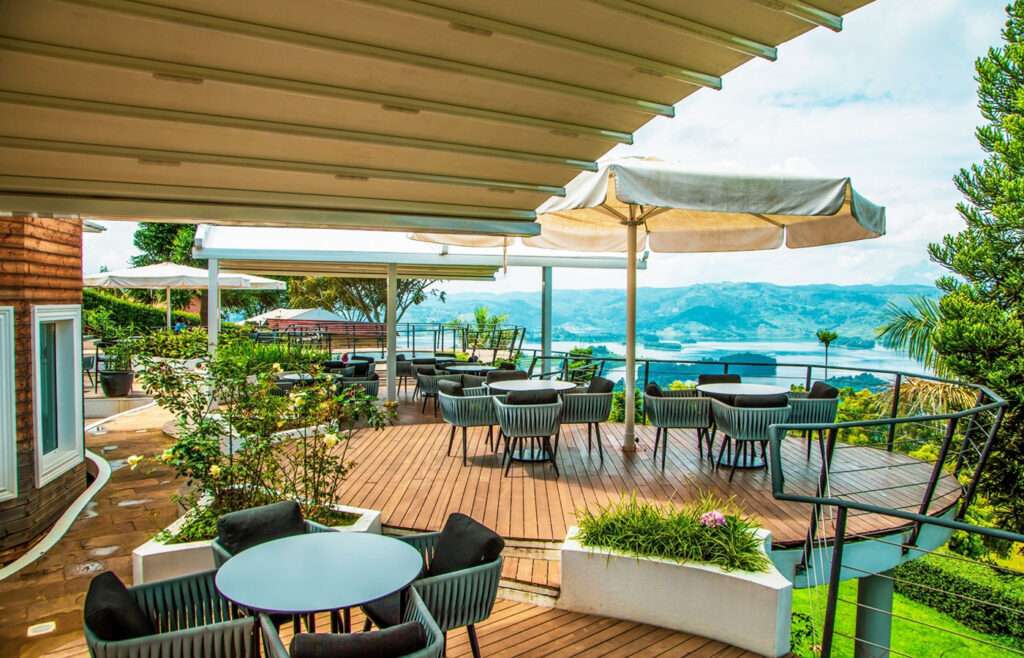
Both countries cater to a full range of budgets, though Rwanda has a stronger concentration of ultra-luxury lodges near Volcanoes National Park — properties like Singita Kwitonda and One&Only Gorilla's Nest are among the finest wildlife lodges in Africa.
Uganda also has outstanding lodge options near Bwindi — including Bwindi Lodge, Mahogany Springs, and Sanctuary Gorilla Forest Camp — that combine high-end comfort with deep forest settings. For mid-range and budget travellers, Uganda offers considerably more choice and value.
Which Country Should You Choose?
Here's a simple breakdown to help you decide:
Choose Uganda if you:
- Want the best value — lower permit costs, more wildlife diversity
- Are planning a longer safari combining gorillas, chimps, and savannah game drives
- Want the gorilla habituation experience
- Are an adventurous traveller who enjoys raw, off-the-beaten-path wilderness
Choose Rwanda if you:
- Have a shorter trip and want an efficient, streamlined experience
- Are flying in from Europe and prefer a well-connected hub
- Want luxury lodges and polished infrastructure
- Don't mind paying a premium for convenience
Conclusion.
Both Uganda and Rwanda deliver unforgettable gorilla trekking. But if you're looking for the best overall value — combining lower permit costs, richer wildlife diversity, and the unique habituation experience — Uganda is the stronger choice for most travellers.
Rwanda excels in luxury and logistics. Uganda excels in depth, diversity, and value. For the full East African gorilla trekking experience, Bwindi Impenetrable Forest remains one of the most extraordinary places on the planet.
Ready to plan your Uganda gorilla trekking adventure? Book your safari today on info@ugandatouristguide.com hustle less for Uganda safari.