
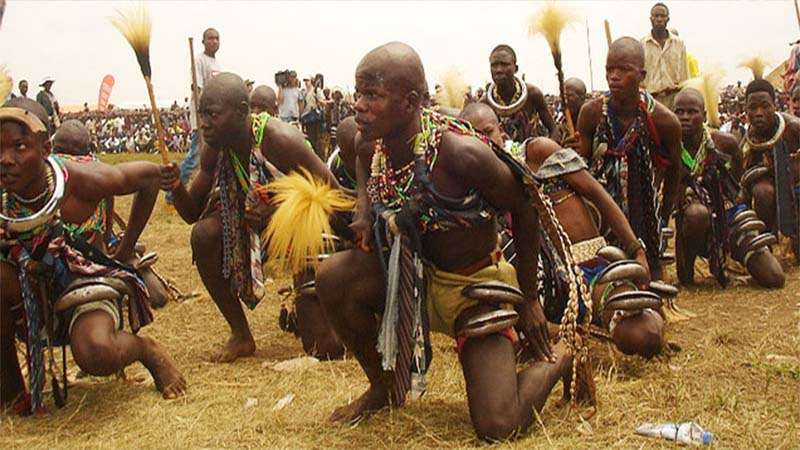
Uganda is famous for its mountain gorillas, savannahs, and the source of the Nile but beyond the wildlife and landscapes lies a country with some of the richest, most surprising cultural traditions in East Africa. For first-time visitors, encountering these customs can be just as memorable as any safari game drive. These10 Ugandan traditions that often catch travelers off guard in the best way.
1. The kneeling Traditions as a Sign of Respect
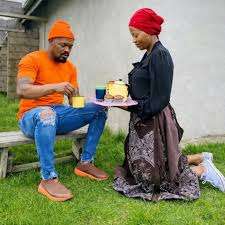
In many Ugandan cultures, especially among the Baganda, its customary for women to kneel when greeting elders or serving food to guests. It seen not so submissive but rather as a deeply rooted as a sign of respect and humility. Visitors are often surprised by how normalized this gesture is in daily life, even among young, educated Ugandans and it works in urban areas like Kampala.
2. The Art of Greeting Takes Time
Ugandans place massive value of greeting, and rushing through one is considered rude. A simple "hello" can turn into a Mult minute exchange asking about your health, your family, your journey, and your work often in that order. First-time visitors accustomed to quick transactional greetings elsewhere may be pleasantly surprised by how warm and unhurried Ugandan hospitality feels.
3. Bride Price Negotiations Are Still Common
Traditional marriage customs remain strong in Ugandan traditions. One of the most surprising for outsiders is the bride price where a groom's family brings gifts historically cows, goats, or crops, though today some tribes often cash to the bride's family. This is not viewed as "buying" a wife but as a gesture honoring the bride's upbringing and uniting two families. Traditional introduction ceremonies between the two families can be elaborate, colorful events lasting an entire day.
4. Twins Hold Special Cultural Significance
Among the Baganda and several other Ugandan tribes, the birth of twins is considered a spiritually significant event, accompanied by specific rituals, naming conventions, and even special songs. Twins are given traditional names like Wasswa and Kato if is the boy child or Babirye and Nakato, if is the girl child, regardless of their first names, certain ceremonies are performed to bless the children and the family at large.
5. Bark Cloth: Uganda's Traditions Ancient Fabric
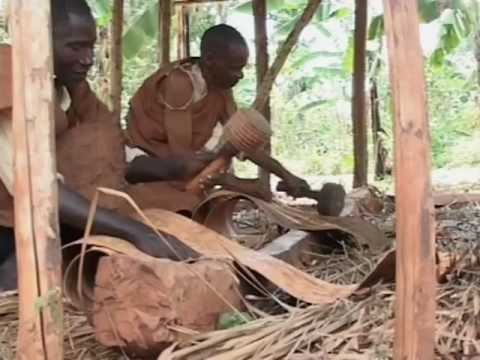
Long time ago before the arrival of woven textiles, Baganda people used to make cloth from the bark of the Mutuba fig tree. Bark cloth was traditionally used for royal garments, burial cloth, and ceremonial wear. Skilled artisans still produce it today using techniques passed down for centuries. Visitors are often amazed to learn that fabric can be made without weaving a single thread.
6. Naming Ceremonies Traditions Reveal Clan Identity
Ugandan names often carry deep meaning tied to different clans, birth order, or circumstances of birth. Among the Baganda, for example, individuals belong to one of over 50 clans each associated with a totem animal and specific taboos. It's common for Ugandans to be able to trace their clan lineage back generations a level of ancestral knowledge that surprises many first-time visitors from more individualistic cultures.
7. Communal Eating Is the Norm
In many rural Ugandan households, meals are eaten from a shared plate using hands rather than individual plates and eating utensils especially for staples like matoke, posho, and sauce. Sharing food from the same dish is seen as a bonding ritual, not merely a means of eating. Visitors invited to a local home may be surprised and touched by how naturally hospitality extends to complete strangers.
8. The Crowning and Presence of Living Kingdoms
Many visitors are surprised to learn that Uganda still has functioning traditional kingdoms including Buganda, Toro, Bunyoro, and Busoga, each with a reigning king who holds culture though not political authorities. The Kabaka of Buganda, for instance, has his own palace, cultural events, and royal drummers, and thousands of subjects celebrate his crowning anniversary annually. It's a striking reminder that kingdoms and modern democracy live together peacefully in Uganda.
9. Cattle Are Wealth, Identity, and Everything In Between
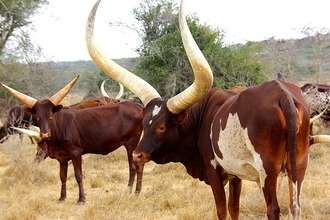
For the Banyankole and Karamojong peoples, cattle are far more than livestock they represent wealth, social status, and cultural identity. The long-horned Ankole cattle, with their dramatic curved horns, are a source of very big pride, while among the Karamojong, cattle raiding historically played a role in inter clan competitions and rites of passage. Visitors often find themselves surprised by just how central cattle are to identity, storytelling, even marriage negotiations.
10. Silence and Indirect Communication Traditions Speak Volumes
People in Uganda often communicate in a polite and indirect way, especially when they disagree or want to avoid conflict. Instead of saying "no" directly, they may say "we shall see" or stay quiet to show they are unsure or do not agree. Visitors from countries where people speak more directly may find this confusing at first. However, learning to understand these small signs help visitors to better appreciate Ugandan culture, respect, and the importance of maintaining good relationships.
Conclusion.
Understanding these traditions transforms a Uganda trip from a wildlife viewing checklist into an immersive cultural journey. Whether you are greeted with a warm, unhurried" Hello" invited to share a meal from a communal plate, or lucky enough to witness a traditional ceremony, these customs reveal the heart of what makes Uganda truly the Pearl of Africa.
Ready to experience Ugandan culture alongside unforgettable wildlife safaris in national parks like Queen Elizabeth NP.
At Uganda Tourist Guide we offer a guided safari through Ugandan communities of different kingdoms and tribes. Contact us on info@ugandatouristguide.com.