
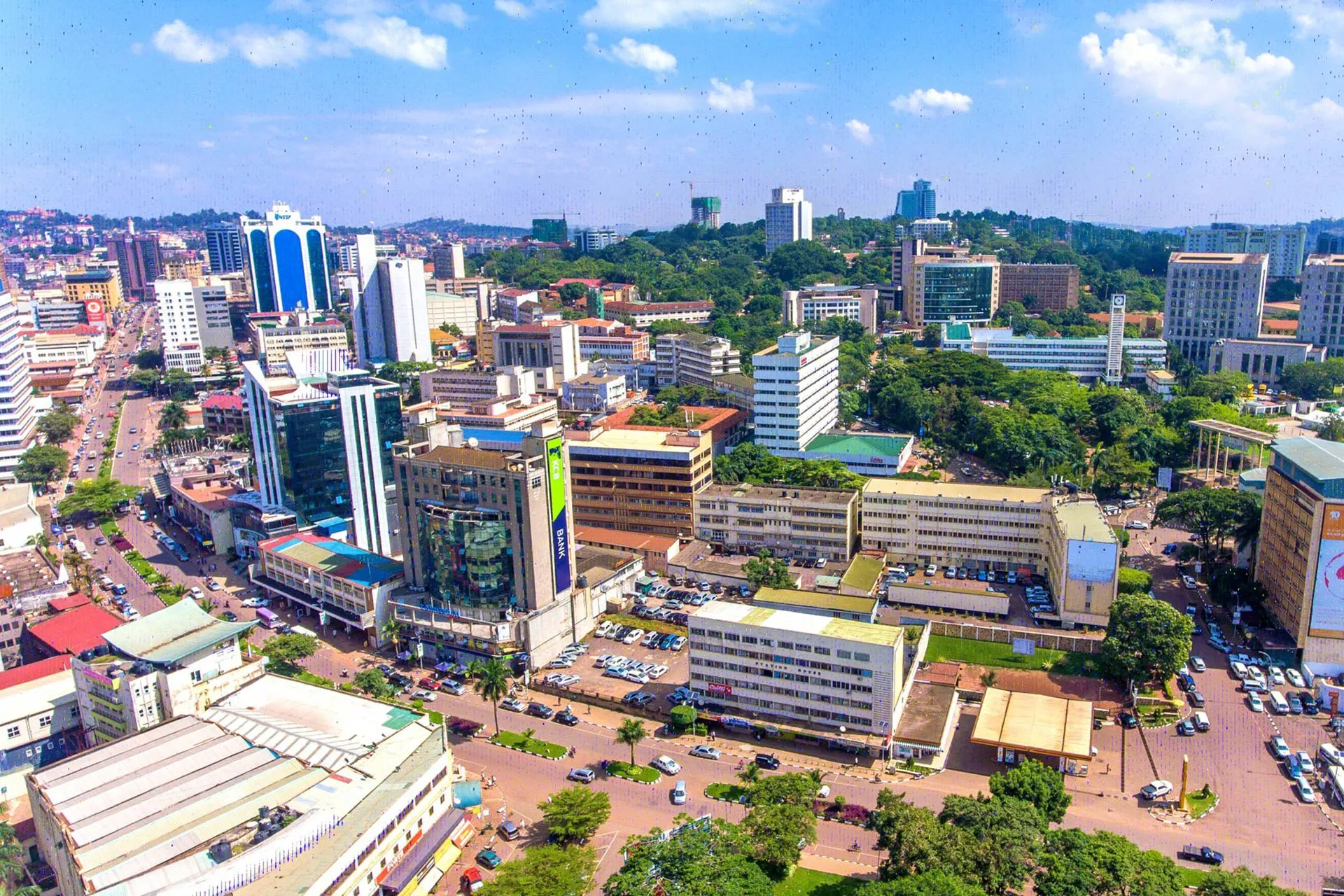
Uganda is one of Africa's most extraordinary destinations — lush rainforests, volcanic peaks, the mighty Nile, and some of the last wild mountain gorillas on earth. Yet the question that stops many travellers in their tracks is a simple one: Is Uganda safe?
The honest answer? Yes — for the vast majority of visitors, Uganda is safe and welcoming country. But like any destination, it comes with nuances worth understanding before you book your flights. Here's what you actually need to know for 2026.
The Overall Safety Picture
Uganda has maintained political stability and a growing tourism infrastructure over the past decade. The country welcomed record numbers of international visitors in recent years, and most travelers return home with nothing but positive memories.
Violent crime against tourists is rare. Ugandans are widely regarded as warm and hospitable, and the tourism industry — from Kampala hotels to safari lodges in Bwindi — is built around ensuring visitors have a smooth experience.
That said, petty crime, poor road conditions, and a handful of high-risk border zones do require attention. Awareness is the foundation of safe travel anywhere, and Uganda is no exception.
Is Kampala Safe?
Uganda's capital is a bustling, energetic city with real contrasts. For travellers, Kampala is generally safe to explore during the day. Popular areas like Nakasero, Kololo, and the central market district see steady tourist foot traffic and are well-patrolled.
After dark, the picture shifts. Like most African capitals, certain neighbourhoods carry higher risk of bag snatching and opportunistic theft at night. Standard urban travel rules apply: avoid displaying expensive jewellery or electronics, use trusted taxi apps or hotel transport after dark, and stay alert in crowded areas like bus parks and markets.
Boda Bodas — the motorcycle, taxis ubiquitous in Kampala — are convenient but carry real road risk. If you use them, negotiate the price upfront and always wear a helmet.
Safety in Uganda's National Parks
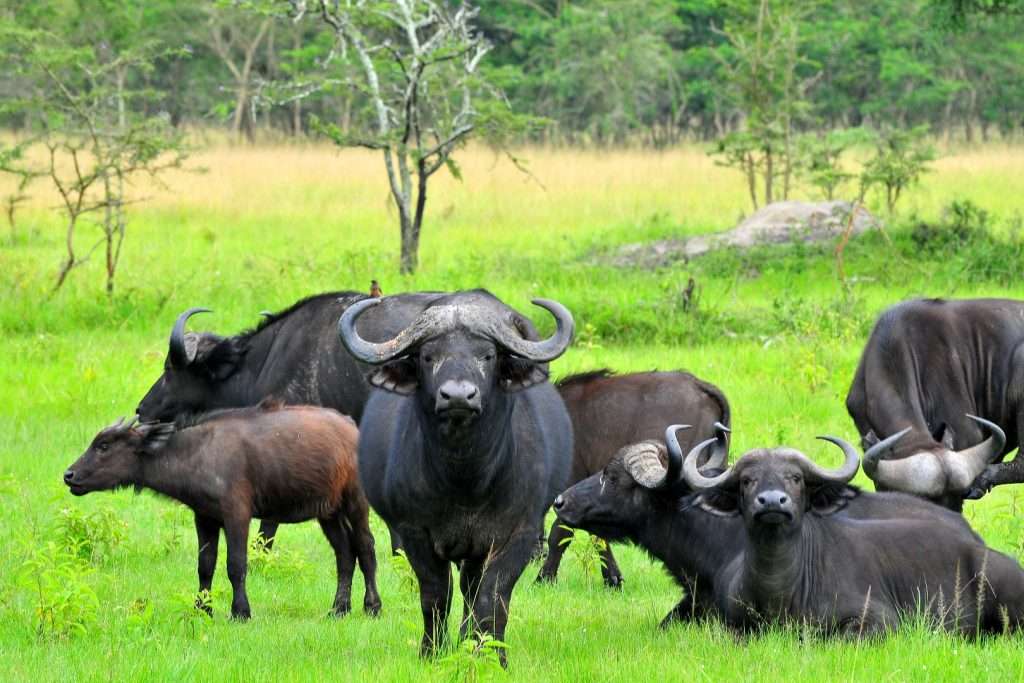
This is where Uganda truly shines, and where most travellers spend the bulk of their time. The national parks — Bwindi Impenetrable Forest, Kibale, Queen Elizabeth, and Murchison Falls among them — are generally very safe environments for tourists.
Park rangers accompany gorilla trekking and chimpanzee tracking groups at all times. These escorts are not just for wildlife guidance; they are trained to manage your safety in the bush. Stick with your guide, follow briefing instructions, and maintain proper distances from wildlife.
Murchison Falls National Park is Uganda's largest and most visited, and safety incidents involving tourists there are exceptionally rare. The same is true for Queen Elizabeth National Park and the Ishasha sector, famous for its tree-climbing lions.
Border Regions: Know Before You Go
This is the one area that requires genuine caution. Uganda shares borders with several countries experiencing active conflict or instability, and the advice changes depending on where you plan to go.
The DRC border is the most significant concern. Western Uganda, including areas near the Congolese border around Bwindi, has seen occasional security incidents historically linked to cross-border activity. In practice, tourist areas in Bwindi are heavily managed and considered safe — but monitor your government's official travel advisory before visiting.
South Sudan and northeastern Uganda carry elevated risk and are not tourist destinations. Avoid the Karamoja subregion near the South Sudan border.
Rwanda and Tanzania borders are straightforward and regularly crossed by tourists without incident.
Always check the latest travel advisories from your home country's foreign affairs department before departure. These are updated regularly and give the clearest, most current picture.

Health and Medical Safety
Health preparedness is arguably the most important safety consideration for Uganda travel in 2026.
Malaria is present throughout the country, including in national parks. Antimalarial medication is strongly recommended — consult your travel doctor at least four to six weeks before departure. Sleep under a treated mosquito net and use DEET-based repellent.
Yellow fever vaccination is a legal entry requirement for Uganda. Carry your yellow card (International Certificate of Vaccination) as you will be asked for it at immigration.
Other vaccinations worth discussing with your doctor include hepatitis A and B, typhoid, and rabies (particularly relevant if you plan extended time in rural areas or work with animals).
Tap water in Uganda is not reliably safe for drinking. Stick to bottled or filtered water, and be cautious with raw fruits and vegetables washed in tap water.
Ebola Outbreak: Uganda has implemented strict containment measures to prevent the spread of the Bundibugyo ebolavirus strain from the DRC: Anyone entering Uganda from the DRC is mandated to self-quarantine for 21 days under Ministry of Health supervision The Uganda-DRC border is closed to all non-essential traffic, and cross-border public transport and flights to and from DRC are suspended.
Practical Safety Tips for 2026
- Travel with a reputable operator. A licensed safari company like CYCADS AFRICAN SAFARIS (UGANDA TOURIST GUIDE) or local guide dramatically reduces your exposure to risk and handles logistics that could otherwise catch you off-guard.
- Register with your embassy. Many governments offer traveller registration services that provide alerts and support in case of emergencies.
- Carry copies of your documents. Keep digital and physical copies of your passport, visa, and vaccination card separate from the originals.
- Purchase comprehensive travel insurance. Medical evacuation from remote areas can be expensive — make sure your policy covers it.
- Respect local customs and laws. Uganda has strict laws around certain behaviours, including LGBTQ+ activity. Travellers should research local laws relevant to their situation before visiting.
Conclusion
Should You Go? YES.
Uganda in 2026 is safe to visit — it is one of the most rewarding destinations on the African continent. The gorilla trekking experiences in Bwindi, the primates of Kibale, the dramatic Murchison Falls, and the shores of Lake Bunyonyi offer something genuinely rare: wildlife Africa, largely uncrowded, with an authenticity that more-touristed destinations have long since lost.
Planning a Uganda safari? Browse our curated itineraries and travel tips at UgandaTouristGuide.com. Contact us on info@ugandatouristguide.com or call us +256392911059/ what's app us +18182906623.