
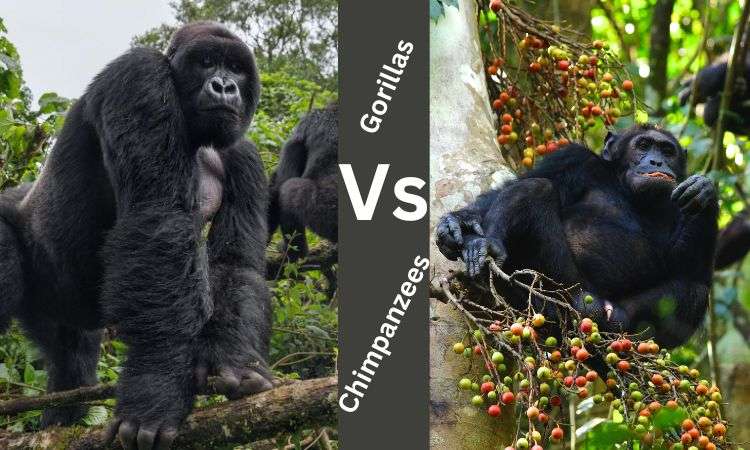
Gorilla Trekking vs Chimpanzee Trekking in Uganda: Which Should You Choose
By Uganda Tourist Guide | Updated May 2026
Uganda is one of the rarest places on Earth where you can come face-to-face with both endangered mountain gorillas and wild chimpanzees in their natural habitats. For many travelers, the hardest decision when planning a Uganda safari is choosing between these two extraordinary primate experiences — or figuring out how to fit both into one trip.
In this guide, we break down everything you need to know about gorilla trekking vs chimpanzee trekking in Uganda, so you can decide which adventure is right for you.
The Animals: Two Very Different Encounters
Understanding the nature of each animal helps set your expectations before you even set foot on the trail.
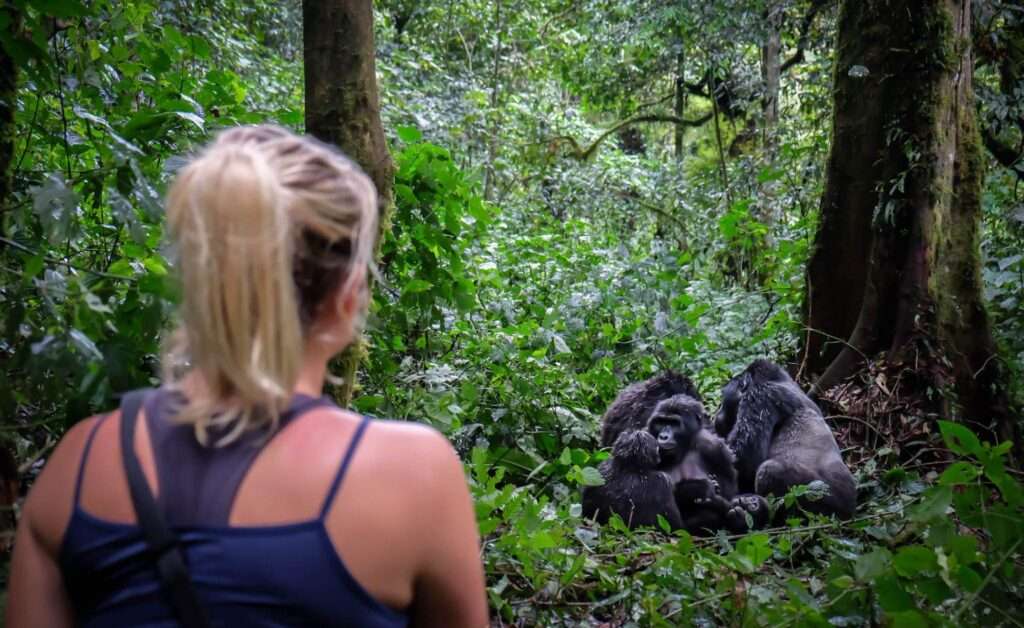
Mountain gorillas are the world's largest primates — calm, gentle, and deeply human in their behaviour. Watching a silverback tend to his family or seeing a baby gorilla tumble playfully through the undergrowth is one of the most emotionally moving wildlife experiences on the planet. Uganda protects over half of the world's remaining mountain gorilla population, making it the premier destination for this once-in-a-lifetime encounter.
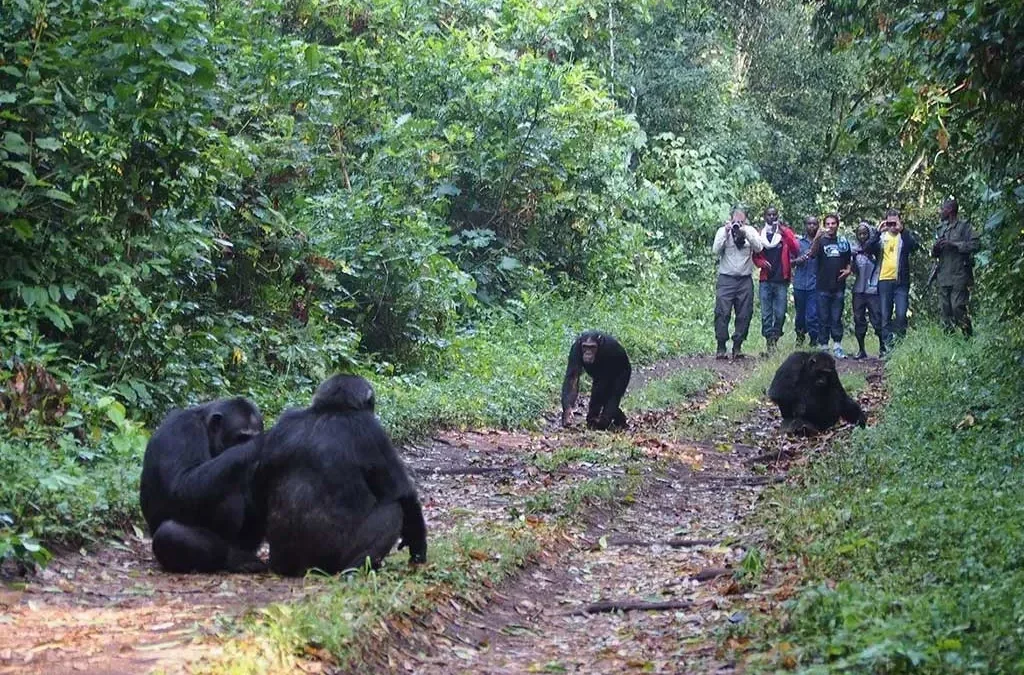
Chimpanzees are a completely different kind of adventure. We share around 98% of our DNA with chimps, and watching them interact, communicate, and swing through the forest canopy feels surprisingly familiar — and wildly entertaining. They are loud, fast, social, and full of personality. Unlike gorillas, chimps will scramble up trees, chase each other, hoot across the forest, and generally keep you on your toes.
In short: gorilla trekking is serene and deeply moving. Chimpanzee trekking is lively, loud, and exhilarating.
Where They Are Found
Gorilla trekking takes place in two parks in southwestern Uganda:
- Bwindi Impenetrable NP — a UNESCO World Heritage Site and home to over 350 habituated mountain gorillas across multiple trekking sectors including Buhoma, Ruhija, Rushaga, and Nkuringo.
- Mgahinga Gorilla National Park — nestled in the Virunga Mountains, also offering golden monkey trekking as an added bonus.
Chimpanzee trekking can be done in several locations across Uganda:
- Kibale Forest National Park — the "Primate Capital of the World," home to over 1,500 chimpanzees and offering the highest chance of a sighting at around 95%.
- Kyambura Gorge, Queen Elizabeth National Park — a dramatic sunken forest where a small habituated chimp community lives.
- Budongo Forest Reserve — near Murchison Falls, a quieter and less-visited option for chimp tracking.
Permit Costs: A Key Difference
This is often the deciding factor for many travelers.
A gorilla trekking permit in Uganda currently costs USD 800 per person for foreign non-residents, which includes one hour with a habituated gorilla family, a ranger guide, and park entrance fees. The price reflects the exclusivity of the experience and directly funds gorilla conservation efforts.
Chimpanzee trekking permits are significantly more affordable. In Kibale National Park — the most popular chimp destination known as the Capital of chimpanzees in Uganda— a permit costs USD 250 per person. In Kyambura Gorge, permits are closer to USD 100. For budget-conscious travelers, this makes chimpanzee trekking an excellent alternative that is "just as brilliant," as many experienced trekkers report.
Note: Permit prices are set to increase from January 2027, so booking in advance at current rates is highly recommended.
Physical Difficulty: How Fit Do You Need to Be?
Gorilla trekking is generally the more physically demanding of the two. The gorillas live in dense, mountainous rainforest — and they don't wait for you. Treks can last anywhere from 1 to 6 hours depending on where the gorilla family has moved. Bwindi's terrain is steep, muddy, and tangled — the name "Impenetrable" is well-earned. A moderate level of fitness is recommended, and hiring a local porter is one of the best decisions you can make. The minimum age for gorilla trekking is 15 years.
Chimpanzee trekking is comparatively easier. Trails in Kibale are generally well-maintained, the terrain is flatter, and treks usually last 1 to 3 hours. The minimum age is 12 years, making it slightly more family-friendly.
Both experiences are accessible to people of varying fitness levels, including older travelers, with the support of guides and porters.
Time With the Animals
One key difference is how long you spend with each species.
With gorilla trekking, you are allowed just one hour with the gorilla family. This limit protects the gorillas from stress and disease. Despite the short time, most visitors say it is the most profound hour of their lives.
With chimpanzee trekking, you typically spend one to three hours observing the chimps. There is also a special Chimpanzee Habituation Experience available at Kibale, where you can spend up to four hours with a chimp family as researchers continue to acclimatise them to humans — a truly immersive option for wildlife enthusiasts.
Photography Tips for Each Experience
- Gorillas: Flash photography is strictly prohibited. Bring a camera with a good zoom lens. The encounters are calm and slow-moving, giving you excellent photo opportunities. A waterproof camera cover is essential in the rainforest.
- Chimps: These animals move fast and unpredictably through the canopy. A fast shutter speed and good zoom will serve you well. The dappled forest light can be challenging, so a camera that handles low light is an advantage.
The Best Time to Trek
The dry seasons — June to September and December to February — are ideal for both gorilla and chimpanzee trekking. Trails are less muddy, vegetation is slightly clearer for sightings, and weather conditions are more predictable. However, Uganda's rainforests are beautiful year-round, and trekking during the green season (April, May, November) means fewer crowds and discounted low-season permits.
So, Which Should You Choose?
Here is a simple way to decide:
Choose gorilla trekking if:
- You want the most emotionally powerful wildlife experience of your life
- You are comfortable with a higher budget
- You are fit enough for a challenging jungle hike
- Seeing an endangered species in the wild is your top priority
Choose chimpanzee trekking if:
- You are traveling on a tighter budget
- You want a longer, more active and energetic wildlife encounter
- You enjoy high-energy animal behaviour and want more time in the forest
- You are traveling with younger children (from age 12)
Our honest recommendation? Do both. A 7 to 10-day Uganda primate safari combining gorilla trekking in Bwindi with chimpanzee trekking in Kibale — plus a wildlife safari in Queen Elizabeth or Murchison Falls — gives you the full picture of Uganda's extraordinary wildlife. It is the kind of trip that changes how you see the natural world.
Plan Your Uganda Primate Safari
Uganda Tourist Guide is your go-to resource for planning an unforgettable trip to the Pearl of Africa. From permit booking tips to accommodation guides and travel itineraries, we have everything you need to make your Uganda safari seamless and memorable.
Explore more guides on Uganda Tourist Guide — your trusted companion for discovering the Pearl of Africa.
Tags: gorilla trekking Uganda, chimpanzee trekking Uganda, Uganda safari, Bwindi Impenetrable National Park, Kibale Forest, gorilla permit Uganda, Uganda primate safari, things to do in Uganda
Are you planning to have primate Adventure safari in Uganda? Uganda Tourist Guide is the right Tour operator company to travel with. Book your safari trip today through: info@ugandatouristguide.com or What's app us +18182906623/+256392911059.